Shop Premium Ammunition for Sale Online – In Stock & Ready to Ship
What separates reliable performance in the field from a frustrating malfunction? Ammunition for sale comes in precisely engineered rounds, each combining a primer, propellant, and projectile within 6mm Remington Ammo for Sale a sturdy casing to deliver consistent velocity and trajectory. Choosing the correct caliber and bullet type ensures your firearm cycles smoothly and achieves the desired accuracy for your specific shooting application. The right ammunition for sale directly translates to dependable feeding, clean ignition, and predictable terminal performance when it matters most.
What to Look For When Shopping for Bulk Ammo Online
When I hunt for bulk ammo online, the first thing I check is price per round, not the total sticker price—that’s where the real savings hide, and free shipping thresholds often make a bigger difference than the discount code. I always verify the manufacturer’s lot number and look for consistent brass case condition, since mixed headstamps in a bulk box can cause feeding issues in my AR. Before clicking buy, I compare the velocity ratings against my barrel length—a fast 55-grain load meant for a 16-inch tube will underperform in my 20-inch. I also scan the return policy for damaged or misfired rounds, because once a bulk order ships, most sellers won’t take back opened boxes. Finally, I read the customer reviews for the exact grain and type, not the generic product page—real shooters mention chronograph numbers and extraction problems that specs don’t.
How to Spot High-Quality Cartridges vs. Overpriced Stock
To spot high-quality cartridges versus overpriced stock, inspect the case mouth and primer pocket for uniform crimps and absence of dents, as factory-new brass shows clean, consistent headstamps. Compare the projectile’s seating depth across a sample box—variation beyond 0.005 inches indicates sloppy loading, not value. Weigh the cost per round against known ballistic performance; a premium price justifies only if the bullet uses bonded cores or match-grade tolerances, not merely flashy packaging. Reloadable brass with multiple firing lifecycles offers real worth, whereas budget-priced loads with thin cases fail early. High-quality cartridges demonstrate concentricity and sealed primers, while overpriced 7mm Rem Ultra Mag Ammo for Sale stock often hides inconsistent crimps or reclaimed components.
- Check for uniform primer sealant and no loose bullets when shaken.
- Verify the cartridge overall length (COAL) matches the spec sheet within 0.003 inches.
- Look for a consistent, bright nickel or brass finish without oxide spots.
- Compare the projectile’s meplat diameter—sharp, even tips indicate better manufacturing control.
Understanding Brass, Steel, and Aluminum Casings Before You Buy
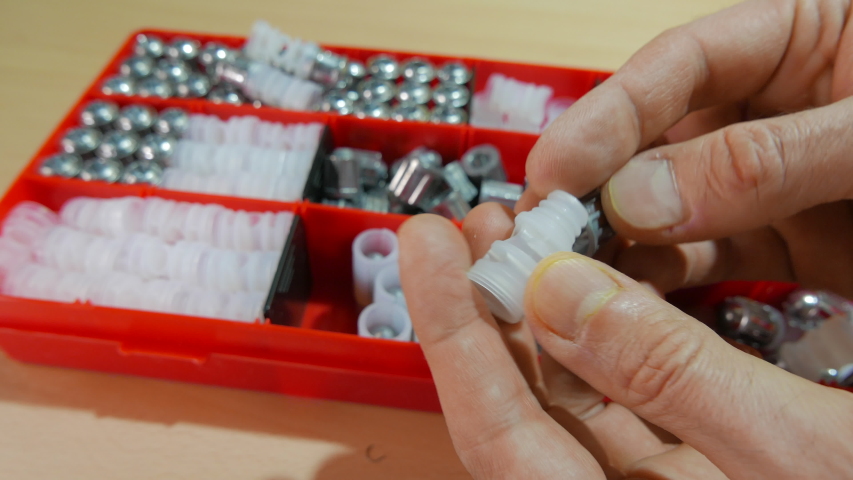
Before committing to bulk ammunition for sale, understanding casing material is critical. Brass casings offer superior durability, reliable reloadability, and consistent chamber sealing, making them ideal for precision shooting. Steel cases, while cheaper, feature a polymer coating that can increase bolt friction and typically aren’t reloadable; they’re best for high-volume range practice where extraction issues are acceptable. Aluminum casings are lightweight and corrosion-resistant but tend to deform on extraction, limiting them to single-use plinking. For bulk purchases, prioritize what your firearm tolerates best—steel’s affordability is negated if your gun is finicky. Matching casing material to your firearm’s operating system prevents malfunctions and wasted ammo.
- Brass: maximizes reliability and case life, worth extra cost.
- Steel: budget-friendly, but inspect your extractor after heavy use.
- Aluminum: least resilient—avoid for suppressed or high-pressure loads.
Why Grain Weight and Bullet Type Matter for Your Specific Firearm
When buying bulk ammo, **grain weight and bullet type matter for your specific Ammunition for Sale firearm** because they directly alter point of impact and feeding reliability. Heavier grains produce more recoil and slower velocity, shifting your zero, while lighter loads may fail to cycle a pistol’s slide or a rifle’s gas system. Likewise, flat-nosed or hollow-point bullets can jam in a finicky feed ramp, whereas full metal jacket rounds typically cycle harder-use actions smoothly. Always verify your barrel’s recommended twist rate for grain weight and your manual’s bullet shape guidance before committing to a case quantity, since settling on the wrong combination wastes money on a load your gun simply will not shoot accurately or consistently.
Matching the Right Load to Your Handgun, Rifle, or Shotgun

When you’re browsing ammunition for sale, matching the right load to your handgun, rifle, or shotgun isn’t just about caliber—it’s about bullet weight, velocity, and intended use. For a handgun, a 115-grain 9mm FMJ cycles reliably for range work, but a 147-grain JHP offers better expansion for defense. In rifles, a .223 Remington with a lightweight 55-grain bullet suits varmint hunting, while a 62-grain bonded load penetrates 9mm Ammo for Sale deeper for deer. Shotguns demand even sharper focus: target loads with #8 shot pattern wide for clays, but 00 buckshot or rifled slugs are what you need for hogs or deer. Always check your firearm’s barrel twist rate and action type—a fast-twist .223 may stabilize heavy match bullets, while a pump shotgun cycles low-brass loads reliably. Buy the load that matches your platform’s manual, not just the cheapest box.
Choosing Between Full Metal Jacket, Hollow Point, and Soft Point Rounds
When selecting from available ammunition for sale, the trade-off between penetration and expansion defines your choice. Full metal jacket (FMJ) rounds feature a solid copper jacket over a lead core, ensuring deep, straight-line penetration through barriers and reliable cycling in semi-automatic platforms—ideal for range practice or training where over-penetration is not a primary hazard. Hollow points (HP) are designed to expand upon impact, transferring maximum energy into soft tissue while reducing the risk of exiting through a target, making them the superior defensive round for handguns. Soft points (SP) offer a middle ground: they expand reliably at rifle velocities but retain more weight than HPs, suiting medium-game hunting where controlled depth is needed. *Your firearm’s barrel twist rate and action type will determine whether a bullet’s ogive feeds reliably, so verify compatibility before bulk purchase.* Ultimately, FMJ suits practice, HP suits self-defense, and SP suits hunting—match the bullet’s terminal behavior to your primary use, not to brand hype.
| Round Type | Primary Use | Key specialty sports and supply Ballistic Behavior |
|---|---|---|
| Full Metal Jacket | Training/range | Maximum penetration, no expansion |
| Hollow Point | Self-defense | Rapid expansion, limited over-penetration |
| Soft Point | Hunting | Controlled expansion, deep tissue damage |
How to Pick the Correct Caliber for Self-Defense vs. Target Practice
Choosing between self-defense and target practice starts with your goal: stopping a threat versus burning affordable rounds. For defense, prioritize proven stoppers like 9mm Luger, .40 S&W, or .45 ACP in handguns, and 5.56 NATO or 12-gauge buckshot in long guns—these deliver reliable expansion and penetration. For practice, select the same caliber as your carry gun to build muscle memory, but buy cheaper full-metal-jacket (FMJ) loads that mimic recoil without premium hollow-point costs. A .22 LR is ideal for low-cost fundamentals, but never trust it for defense. Match your defensive caliber to your practice ammunition to ensure flawless function and consistent point-of-aim. Always test your chosen defensive round for reliability in your specific firearm before relying on it.
- Use hollow points for self-defense; FMJ for range drills.
- Pick a caliber you can shoot accurately under stress, not just on paper.
- Verify that practice loads cycle your gun with the same power as your defense rounds.
What Velocity and Pressure Ratings Tell You About a Box of Rounds
Velocity and pressure ratings printed on a box of rounds reveal how the load will perform in your specific firearm. Higher velocity typically translates to a flatter trajectory and more energy downrange, but it also increases felt recoil and barrel wear. Pressure ratings, measured in PSI or CUP, tell you whether the cartridge operates within manufacturer-specified safety limits for your gun’s chamber. A load too hot for your action can cause premature component fatigue or dangerous case blowouts, while a low-pressure round may fail to cycle a semi-automatic reliably. Always cross-reference these numbers with your firearm’s manual; velocity and pressure are interdependent—rising pressure spikes velocity, so a box marked with high velocity but near-max pressure demands caution with older or weaker actions.
- Velocity below factory spec may indicate weak ignition or short barrel testing data, affecting accuracy.
- Pressure above SAAMI or CIP limits voids warranties and risks catastrophic failure.
- Consistent pressure ratings across batches indicate quality control in propellant loading.
- Low pressure plus low velocity is ideal for suppressed subsonic use, but not for hunting.
How to Save Money Without Sacrificing Performance on Your Next Purchase
When scanning ammunition for sale, prioritize buying in bulk from reputable online retailers, as per-round pricing drops significantly without compromising performance. Stick to proven loads from brands like Federal or Sellier & Bellot, and skip premium defensive lines for range practice—your accuracy training won’t notice the difference. Buy standard-pressure FMJ or flat-nose rounds over match-grade options, since the cost savings let you shoot twice as often, which builds skill faster than expensive ammo ever could. However, always test a small box first to verify your firearm cycles reliably before committing to a case. Seek out discounted overruns or military surplus, but check for corrosion or dented cases before purchase. Finally, set price alerts on ammo trackers and jump on sales during off-peak seasons, locking in low prices while keeping reliability intact.
Buying in Bulk: When It Makes Sense to Stock Up on 500 or 1,000 Rounds
Buying in bulk—specifically committing to 500 or 1,000 rounds—makes sense when your per-box cost drops by 15–25% without altering the load’s velocity or bullet weight. You should stock up at that volume only if you have a consistent training schedule, a dedicated storage area with low humidity, and a firearm that reliably cycles that exact batch. Calculating your monthly range count is the logical first step; if you burn through 200 rounds per session, a 1,000-round case covers five trips, justifying the upfront capital. However, bulk ammunition purchases lose their value if you switch calibers or loads mid-case, so reserve large-quantity buys for your primary defensive or competition round. Case lot discounts also protect you from sporadic price fluctuations, but only when you verify the lot’s headstamp and crimp consistency before sealing the deal.
Comparing Remanufactured vs. Factory-New Cartridges for Everyday Use
When comparing remanufactured vs. factory-new cartridges for everyday use, the primary distinction lies in brass quality 7mm Rem Mag Ammo for Sale and consistency. Remanufactured rounds, which use previously fired cases that are inspected and reloaded, typically cost 20–30% less per box, making them ideal for high-volume range sessions where precision beyond two inches at twenty-five yards is unnecessary. Factory-new ammunition, conversely, offers virgin brass and uniform powder charges, yielding tighter shot groups and more reliable cycling in finicky semi-automatics. For everyday practice, remanufactured cartridges deliver acceptable accuracy if you inspect each round for dents or loose primers before loading. However, if your firearm is defensive-only, always choose factory-new, as remanufactured rounds occasionally exhibit minimal velocity variance that could affect point-of-impact at longer distances.
How to Calculate Cost Per Round and Avoid Hidden Shipping Fees
To truly save on ammunition for sale, never compare box prices alone. Calculate **cost per round** by dividing the total price (including taxes) by the number of cartridges—a $15 box of 50 rounds equals $0.30 9.3x72R Ammo for Sale per round, which may beat a $12 box of 20 at $0.60. Then, add shipping fees and divide again; a $5 flat fee on 200 rounds adds only $0.025 per round, but a $15 fee can kill a bargain. Always expand the cart quantity to spread fixed shipping costs, and check if the seller offers free-shipping thresholds. Compare final delivered cost per round across two or three vendors before checkout, and look for flat-rate or ammo-can bundle shipping options.
Always divide total cost—including tax and shipping—by the round count to find the true cost per round, and buy in larger quantities to dilute hidden fees.
Storage and Handling Tips to Keep Your Purchased Rounds Reliable
When you buy ammunition for sale, your rounds’ reliability starts with how you store them. Keep boxes sealed in a cool, dry place—below 75°F with under 50% humidity—to prevent powder degradation and primer corrosion. Never store loose rounds in a magnetic ammo can; use non-marring trays or original packaging to avoid bullet setback and case dents. Before loading, inspect each cartridge for tarnish, cracks, or loose primers; rotate your stock quarterly so older rounds get used first. Avoid direct sunlight and temperature swings that cause condensation inside the case.
If you drop a round, don’t chamber it—inspect the bullet seating and rim for damage before trusting it.
Finally, wipe your fingers dry before handling; skin oils accelerate brass oxidation, which can cause extraction failures. These simple habits turn any ammunition for sale into decades of dependable performance.
Best Practices for Storing Loose Ammo and Unopened Boxes Long-Term
For long-term ammo storage, keep unopened boxes in their factory packaging inside a sealed ammo can with a desiccant pack—they’re already protected from moisture. Loose rounds need extra care: sort them by caliber and lot in labeled, airtight containers, never loose in a humid basement. Avoid mixing loose ammo with unopened boxes in the same container, as opening the box breaks its seal. Store everything off the concrete floor and away from temperature swings. Rotate stock by date, using older loose rounds first. The best practice for loose ammo is adding a fresh silica pack every six months, keeping primers and powder stable for years.
How to Inspect Your Cartridges for Corrosion, Dents, or Primer Issues
Begin by eyeballing each case under direct light, rotating it to catch green or white crusting near the primer pocket or case mouth—that signals corrosive residue. Run a fingernail across any discolored patch; if it feels rough, the corrosion has etched the brass, compromising structural integrity. For dents, roll the cartridge across a flat surface; a wobble indicates a deformed shoulder or body that can fail to chamber. Check the primer by tilting the round—sunken primers suggest a light strike risk, while protruding ones indicate high pressure. Inspect your cartridges for corrosion, dents, or primer issues before loading, especially on bulk ammunition for sale, where mixed lots hide defects. Discard any round with a cracked primer ring or deep scratch near the case web.
Q: How do you tell if primer corrosion is active versus harmless oxidation?
A: Active corrosion appears as fuzzy blue-green crystals that scrape off to reveal pitted metal underneath, while harmless oxidation is a dull, uniform gray film that wipes clean without leaving cavities.
When to Rotate Your Stock to Ensure Fresh, Consistent Firing Every Time
Rotate your stock using a strict first-in, first-out (FIFO) system, placing newly purchased ammunition for sale behind older boxes on the shelf. Check manufacturing headstamps or purchase dates every 90 days, especially for defensive loads exposed to temperature swings. If primers show verdigris or cases develop dull spots, that lot has degraded and should be moved to the top of your practice queue immediately. Seasonal rotation before humidity spikes prevents misfires from moisture-compromised powder. For bulk cans, mark the opening date and burn through that container within six months, regardless of round count, before breaking the seal on fresh inventory. This cadence ensures propellant stabilizers remain active and primers strike true.
Adopt FIFO rotation, audit every 90 days, and open new containers only after depleted stock—keeping firing consistent and fresh.
Common Mistakes to Avoid When Buying Your First Batch of Rounds
When buying your first batch of rounds from an ammunition for sale listing, the most common mistake is prioritizing price over function. Never assume all ammo is interchangeable; check your firearm’s manual for the exact caliber and bullet weight. Purchasing the wrong grain can cause poor accuracy or malfunctions, so ignore bulk deals if the specifications don’t match your barrel’s twist rate. Another frequent error is overlooking the round’s purpose—buying expensive hollow points for target practice wastes money, while using full metal jacket for self-defense is a tactical failure. Always inspect the packaging for visible corrosion, dents, or loose primers; a “sealed” box can hide damaged brass that jams. Finally, avoid buying more than you can test first. Buy one 9.3x62mm Mauser Ammo for Sale small box, shoot it, and confirm reliable cycling before stocking up.
Matching the exact load to your firearm beats any bargain, as a misfeed ruins an entire range session faster than a high price tag.
Why You Should Never Buy Ammo Without Checking Your Barrel’s Grooves
Before you commit to any deal on **ammunition for sale**, you must verify your barrel’s groove diameter and twist rate, because these physical specs dictate which bullet weight and width will stabilize. If you buy standard 5.56 rounds for a barrel with a slower 1:12 twist, or use .308 in a barrel grooved for 7.62×51 with different land depth, you risk keyholing, pressure spikes, and severe copper fouling. Measure your grooves with a caliper or slug the bore, then match the bullet’s actual diameter—not the cartridge name—to that measurement. This prevents baffling accuracy loss and dangerous overpressure that can damage your firearm permanently. Matching groove width 9×18 Makarov Ammo for Sale to bullet diameter is the only way to safely use bulk ammo deals.
Q: Why should I never skip checking barrel grooves before buying ammo?
A: Because a mismatch between your groove diameter and the bullet’s width causes unstable flight, stripped rifling, and accelerated throat erosion—ruining your barrel within a few hundred rounds.
How to Avoid Mismatching Bullet Seating Depth and Overall Length
When buying your first batch of rounds, mismatching bullet seating depth and overall length (COL) causes pressure spikes or feeding failures. Always verify the manufacturer’s listed COL against your firearm’s chamber, as factory loads may vary by lot. Cross-check seating depth with a kinetic bullet puller on one sample round—measure the projectile’s base-to-ogive length, not just the tip. If the COL exceeds SAAMI specs, the bullet may jam into the rifling, raising pressure dangerously. Conversely, overly deep seating reduces case capacity and accuracy. Use a caliper and a case comparator to confirm consistent depth across the box, and reject any batch where variation exceeds ±0.003 inches.
Q: How do you avoid mismatching bullet seating depth and overall length on factory ammo?
A: Measure every cartridge’s COL from the base to the ogive—not the tip—and compare .50 Cal Ammo for Sale it to your chamber’s max length, using a comparator for repeatability. Discard any round deviating by more than 0.003 inches, and always test a few in your magazine for reliable seating.
What to Do If a Box of Cartridges Fails to Feed or Eject Properly
If a fresh box of rounds causes stovepipes or fails to chamber, stop shooting immediately—don’t force the action. First, clear the firearm safely, then inspect the cartridge case dimensions against a known-good round from a different lot; bulged rims or oversize shoulders are common culprits. Test the same box in another pistol or rifle to isolate a magazine spring issue. If failures persist, contact the seller for a refund or replacement lot, as your gun’s extractor may simply dislike that particular brass. Feed reliability starts with lot testing.
- Mark the suspect box and set aside all unfired rounds for return.
- Clean and lightly lubricate the extractor groove and feed ramp before retesting.
- Chronograph a few rounds to rule out weak powder charges causing short recoil.